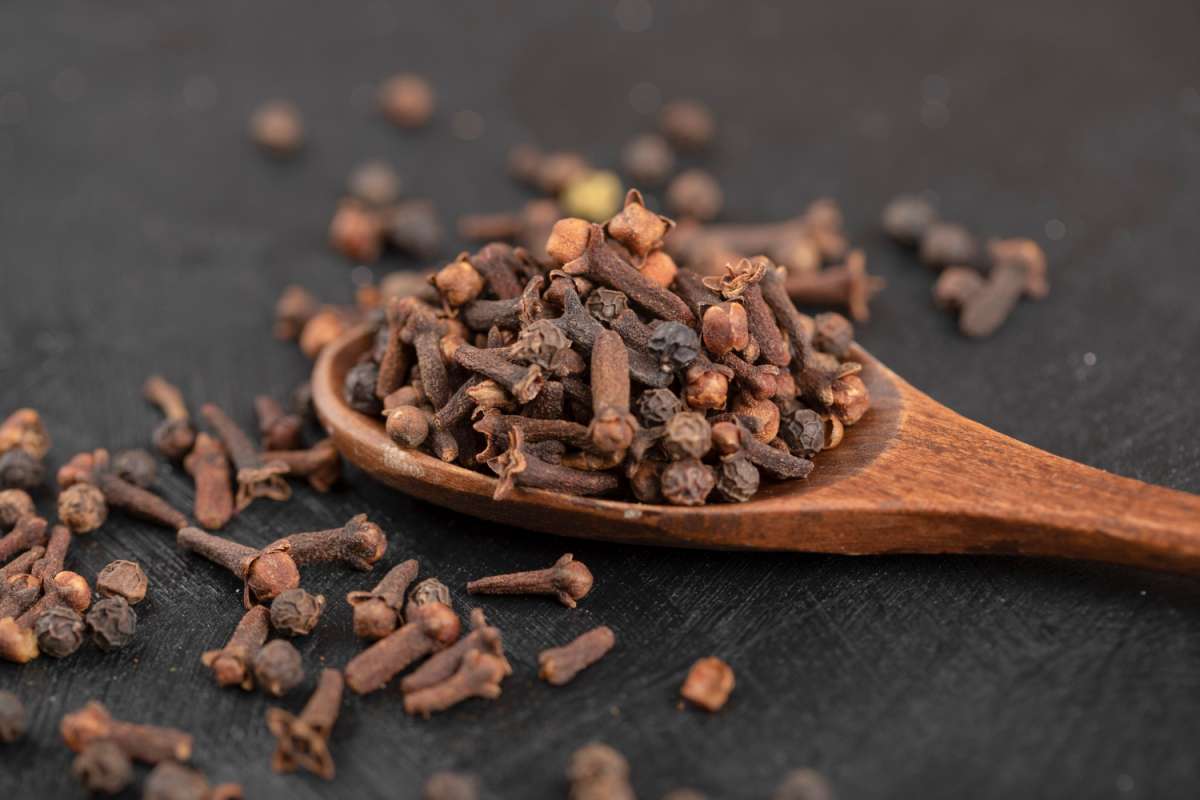

Clove water has become one of those wellness drinks that regularly pops up on social media feeds. Supporters claim it can help with everything from bloating and indigestion to gut inflammation and digestive discomfort. But while cloves do contain compounds that may support digestive health, experts say some of the bigger claims deserve a closer look.
One doctor weighing in on the trend is Dr Kunal Sood, an anaesthesiologist and interventional pain medicine physician. In an Instagram video shared on June 5, he discussed what current research says about cloves, their active compounds and whether drinking clove water can actually make a difference when it comes to digestion and overall gut health.
What makes clove water potentially beneficial?
According to Dr Sood, clove water may offer certain digestive benefits, particularly when it comes to supporting digestion, reducing inflammation and easing general gut discomfort.
He explained that cloves contain several compounds with antioxidant, anti-inflammatory and soothing properties. Much of the attention centres around eugenol, which is considered the primary active compound found in cloves.
Research suggests that eugenol may help relax smooth muscles within the digestive tract, support healthy gastric function and contribute to digestive comfort. These effects may help explain why some people report feeling less bloated or experiencing fewer stomach-related symptoms after drinking clove water.
As Dr Sood explained, “Clove water does contain compounds that may help with digestion, inflammation, and overall gut comfort. And the reason comes down largely to a compound called eugenol. Eugenol has antioxidant and anti-inflammatory properties. And some studies suggest it may help relax smooth muscle and support gastric function, which helps explain why some people notice less bloating or stomach discomfort after drinking it.”
What does the science actually say?
While Dr Sood acknowledged that many people find warm herbal drinks calming and comforting, he also cautioned against overstating the scientific evidence behind clove water.
According to him, there is currently no strong evidence showing that clove water can detoxify the liver overnight, cure inflammation or dramatically strengthen the immune system on its own.
Rather than viewing it as a cure-all, he suggested thinking of clove water as one small part of a broader wellness routine. Its potential benefits are likely to be most meaningful when combined with other healthy habits such as good sleep, balanced nutrition, stress management and regular physical activity.
Dr Sood said, “A warm herbal drink before bed may also feel calming and relaxing for people in general, but it’s important not to overstate the science. There’s no strong evidence that clove water detoxifies the liver overnight, cures inflammation, or dramatically boosts the immune system on its own. Cloves can absolutely be part of a healthy diet, and they do contain biologically active compounds, but they’re not a miracle remedy. The bigger takeaway is this: Some natural remedies really can support mild symptoms and overall wellness, but they work best as part of a bigger picture of sleep, nutrition, stress management, and overall health habits.”
His overall message was fairly straightforward. Clove water may support digestive comfort for some people, but it should not be viewed as a substitute for a healthy lifestyle or evidence-based medical care. Like many natural remedies, its role appears to be supportive rather than transformative.
Disclaimer: Tips and suggestions mentioned in the article are for general information purposes only and should not be construed as professional medical advice.
ALSO READ: From 101 kg to 65 kg: Fitness creator reveals the meal plan that helped her transform