

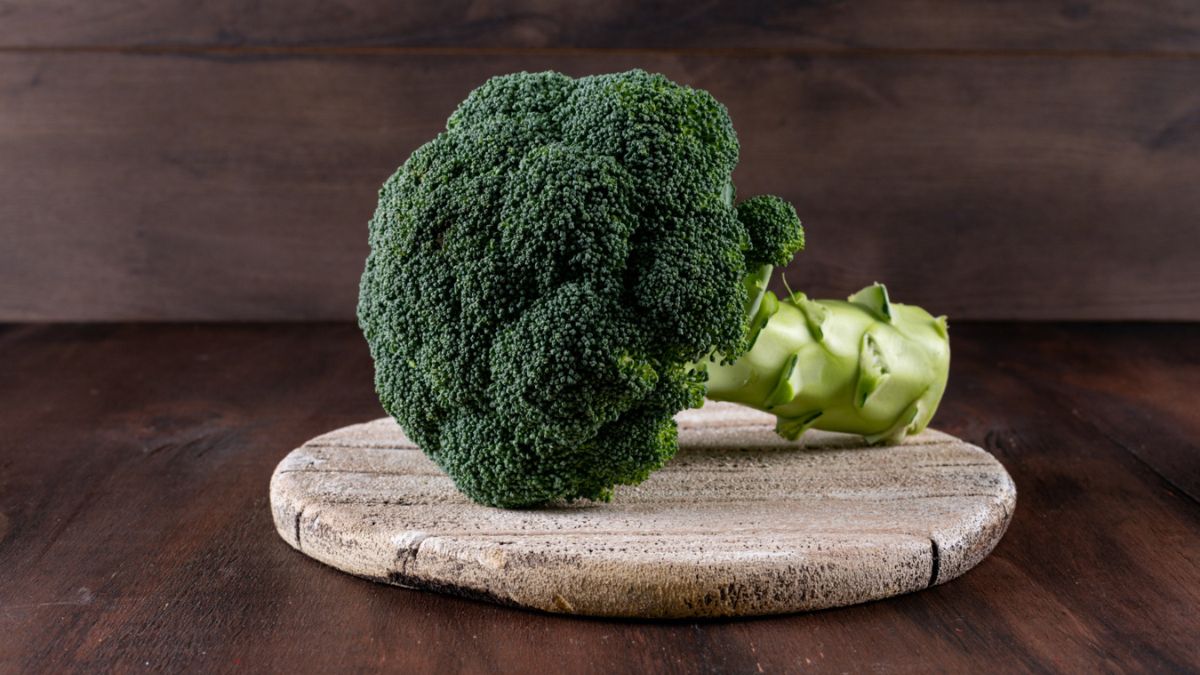

Broccoli has quietly turned into a bit of a celebrity online. Especially broccoli sprouts. You will see bold claims. Anti-cancer. Detox miracle. Almost like a shortcut to better health.
But things are rarely that simple. Yes, these greens are good for you. But no single food works in isolation. And that is exactly where the confusion usually starts.
To clear things up, Dr Kunal Sood, an anaesthesiologist and interventional pain medicine physician, shared his take in an Instagram video on April 16. He broke down what broccoli and broccoli sprouts actually do inside the body, and where the hype gets a bit ahead of the science.
The active compound in broccoli
According to Dr Sood, broccoli and especially its sprouts contain a compound called sulforaphane.
“Broccoli sprouts are actually a really interesting addition to your diet, and I do get why people get excited about them. They contain a compound called sulforaphane, which helps activate your body’s natural antioxidant system. That means it can support how your body handles oxidative stress and inflammation at a cellular level. That’s where a lot of the buzz comes from,” he explained.
So yes, there is a reason people talk about it. The compound does play a role in how your body manages stress and inflammation.
Can broccoli prevent cancer?
This is where expectations need a reset.
Dr Sood made it clear that broccoli is not “anti-cancer” in the way social media often suggests. “The key is understanding what that actually means. It’s not that broccoli is directly anti-cancer, but it can support processes in your body that are important for long-term health. Broccoli contains sulforaphane, which activates your body’s own antioxidant and detox pathways, but most of the strong evidence comes from lab and animal studies, not consistent human outcomes. It can support your body’s defense systems, just not in the way ‘anti-cancer’ claims are often presented,” he said.
So it helps. But it is not a cure or a guarantee.
How to maximise benefits
If you are eating broccoli anyway, a small tweak can make a difference.
“If you want to get the most out of it, lightly chopping or chewing broccoli and sprouts can help activate those compounds. So, foods like this can definitely be part of a healthy routine. They should work best as part of a bigger picture that includes a balanced diet, movement, and overall lifestyle,” Dr Sood noted.
In other words, it fits into a healthy routine. It does not replace one.
That is probably the simplest way to look at it.
Disclaimer: Tips and suggestions mentioned in the article are for general information purposes only and should not be construed as professional medical advice. Always consult your doctor or a dietician before starting any fitness programme or making any changes to your diet.
ALSO READ: Don’t like broccoli? 6 interesting ways to include the green vegetable in your diet



