

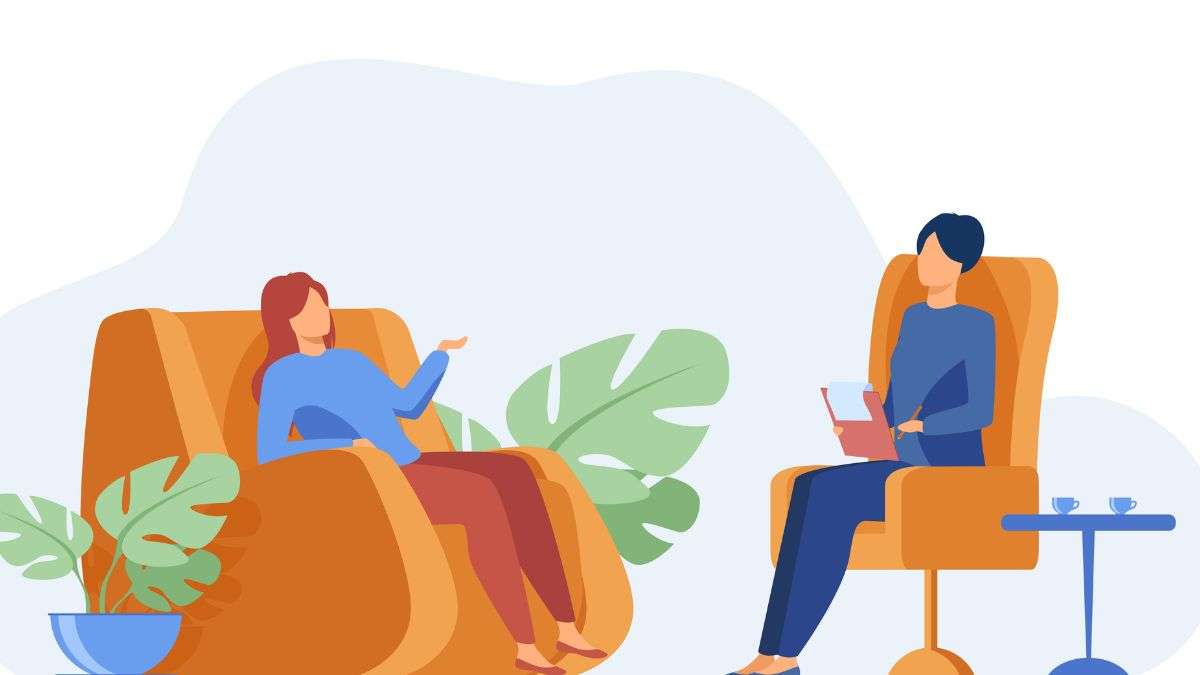

Not long ago, therapy in India was something people spoke about in hushed tones. Seeking counselling was often associated with “serious problems” or emotional breakdowns. Today, however, therapy has moved from secrecy to social media feeds. Young Indians are openly discussing anxiety, boundaries, burnout and healing, and they’re booking sessions without waiting for a crisis.
But is this new ‘therapy culture’ among Gen Z just a trend created by Instagram Reels? Or could this be a cultural shift? According to a health expert and Group CEO of Zota Healthcare Ltd., Dr Sujit Paul, this cultural shift extends far beyond physical appearance. “The rising awareness of therapy among Gen Z is not just a social media trend. It marks a fundamental shift in their understanding of mental health.” Therapy is increasingly being viewed as preventive care rather than a last resort,” he explains.
A generation under constant pressure
Gen Z has grown up in a hyper-connected world, one defined by digital exposure, academic expectations, financial uncertainty and relentless comparison culture. The pressure to constantly perform, online and offline, has reshaped emotional landscapes.
“Continuous online exposure amplifies stress, anxiety and identity-related challenges,” says Dr Paul. “Unlike earlier generations, young adults today are navigating life under constant digital visibility. That impacts how they process emotions.” In this environment, therapy is emerging as a structured space to unpack stress before it escalates.
From crisis intervention to preventive care
Earlier, therapy in India was often reactive. Today, many Gen Z individuals are using it proactively to understand patterns, improve communication skills and build emotional resilience.“The biggest transformation is that help-seeking is now seen as a strength,” Dr Paul notes. “Therapy allows individuals to recognise behavioural patterns, regulate emotions and strengthen relationships before issues become severe.”
Instead of asking, “What is wrong with me?”, young people are increasingly asking, “How can I understand myself better?” That shift signals emotional maturity rather than fragility.
The social media effect: Helpful, but risky
There is no denying that social media has played a role in destigmatising therapy. Influencers and public figures speaking about counselling have normalised conversations around anxiety, trauma and burnout. However, experts caution against over-simplification. “While awareness is positive, not every emotional fluctuation requires clinical labelling,” Dr Paul emphasises. “Social media has made psychological terms more accessible, but self-diagnosis without professional evaluation can be misleading.”
Mental health awareness, he adds, must be paired with accurate information and guidance from qualified practitioners.
Therapy as emotional skill-building
Another noticeable shift is the focus on emotional intelligence. Gen Z conversations increasingly centre around boundaries, attachment styles, self-worth and work-life balance.“Compared to previous generations, Gen Z appears more willing to prioritise emotional wellbeing alongside career growth,” says Dr Paul. “When therapy is used responsibly, it fosters self-awareness rather than dependency.”
This emphasis on emotional literacy could have long-term public health benefits, especially in a country where mental health services were historically underutilised.
Trend or transformation?
Critics argue that therapy culture risks becoming performative. But experts believe visibility does not necessarily dilute value. “In many ways, this represents a healthy transformation,” Dr Paul concludes. “The challenge now is ensuring that services remain ethical, evidence-based and accessible. Awareness must translate into structured, responsible mental health support.”
The stigma around therapy may not be fully erased yet. But the silence certainly is. And perhaps that alone marks the beginning of a generational shift.
Also read: Puzzle games as therapy: How Gen Z turns Sudoku, Wordle and logic grids into stress relief



