


Getting a tattoo can be a very exciting experience. Most people spend several hours thinking about the perfect design. However, before considering the artistic aspect, there is one thing that deserves equal attention: the safety standards of the tattoo studio.
According to Prem Negi, Tattoo Artist at Devil’z Tattooz, hygiene must come before everything else. “A tattoo isn’t just about the artwork; it’s a process where safety matters just as much as the final result. No matter how good a design looks, it’s not worth it if the basics aren’t right,” he says.
Make sure the needles are new
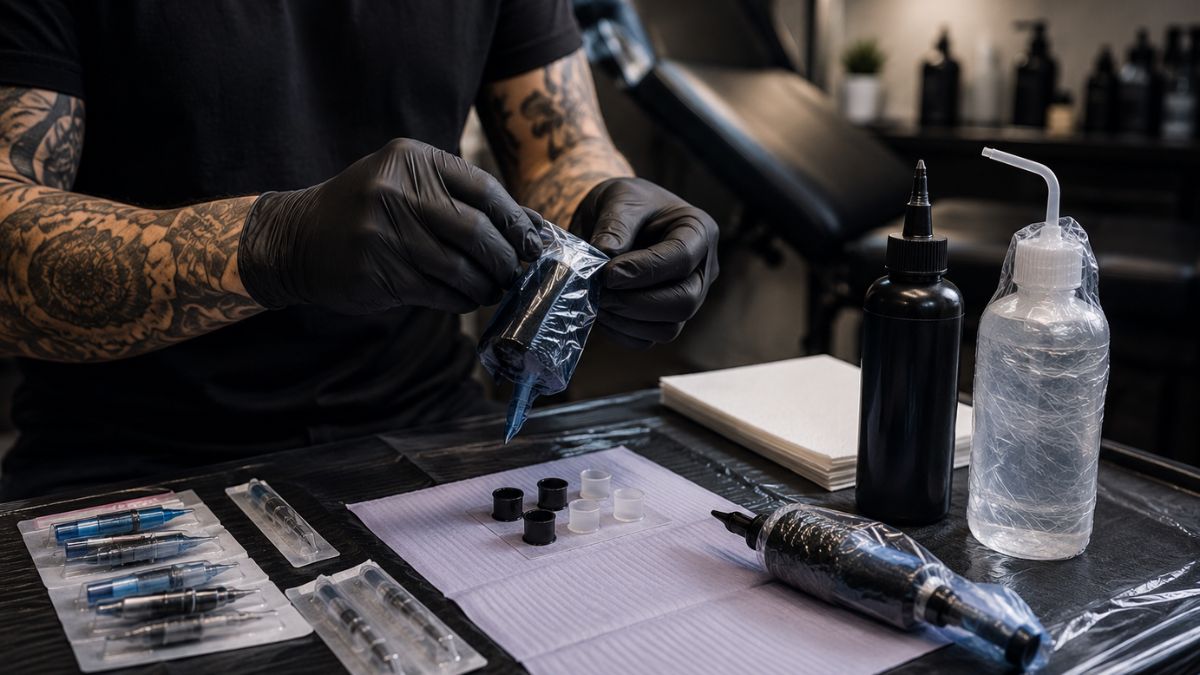
One of the first things you should check is whether the tattoo artist is using a brand-new, sealed needle. Prem Negi advises clients to ensure the needle is opened in front of them and to check its expiry date before the session begins. “When you walk into a studio, pay attention to how things are handled. Needles should always be brand new, sealed and opened in front of you,” he says.
Observe the artist’s hygiene
A professional tattoo artist should wear fresh disposable gloves throughout the session. “If the artist touches anything that isn’t sterile, the gloves should be changed before tattooing continues,” says Prem Negi.
These may seem like small details, but they significantly reduce the risk of contamination.
A clean workstation matters
According to Prem Negi, tattoo machines, ink bottles and work surfaces should be disinfected and properly wrapped before every client.
He also stresses that ink should always be poured into fresh, single-use ink caps. “Anything left over should be thrown away and never reused,” he explains.
Don’t overlook skin preparation
Preparing the skin properly is another important step. Before tattooing begins, the area should be shaved using a new disposable razor and cleaned thoroughly.
“This helps prevent irritation, infection and healing issues later on,” says Prem Negi.
Ask about aftercare
The tattoo process doesn’t end when you leave the studio. Proper aftercare plays a major role in how well a tattoo heals and how it looks in the long run.
“A professional artist should always explain how to care for your tattoo after the session,” he says.
Trust your instincts
If something doesn’t feel right, don’t ignore it. Prem Negi believes clients should never hesitate to ask questions about hygiene practices or equipment. “A professional tattoo artist will always respect your concerns. Your skin deserves care, respect and professionalism every single time,” he says.
A tattoo is permanent, which makes choosing a safe and hygienic studio just as important as choosing the design itself.
Also read: What happens to your tattoo after 5, 10 and 20 years? An expert answers



