

By using this site, you agree to the Privacy Policy and Terms of Use.
Accept
India Times NowIndia Times NowIndia Times Now
Notification Show More
Font ResizerAa
  • Bharat Shreshtha Ratna Sanman
  • India News
  • Categories
    • Technology
    • Entertainment
    • The Escapist
    • Insider
    • Finance ₹
    • India News
    • Science
    • Health
Reading: Significant gains in women education, digital access, and economic agency but social constraints persist, NFHS-6 finds
Share
India Times NowIndia Times Now
Font ResizerAa
  • Bharat Shreshtha Ratna Sanman
  • India News
  • Categories
Search
  • Bharat Shreshtha Ratna Sanman
  • India News
  • Categories
    • Technology
    • Entertainment
    • The Escapist
    • Insider
    • Finance ₹
    • India News
    • Science
    • Health
Have an existing account? Sign In
Follow US

Home » Significant gains in women education, digital access, and economic agency but social constraints persist, NFHS-6 finds

India News

Significant gains in women education, digital access, and economic agency but social constraints persist, NFHS-6 finds

Times Desk
Last updated: May 30, 2026 3:02 pm
Times Desk
Published: May 30, 2026
Share
SHARE


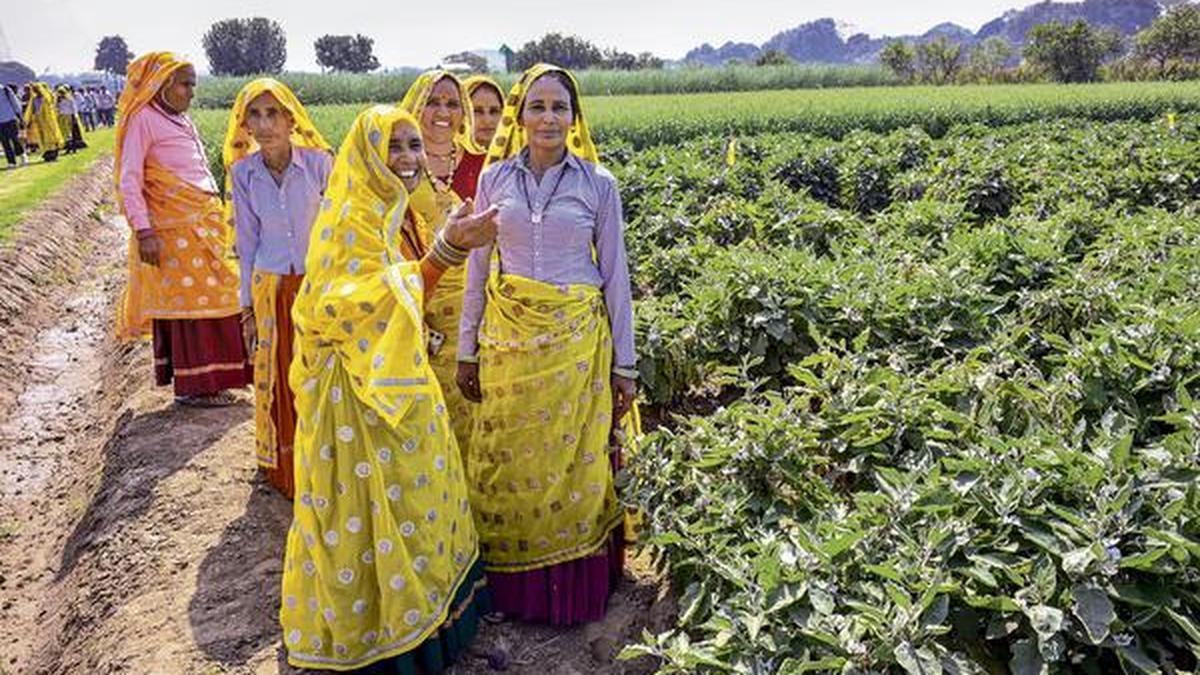
20.1% of women aged 20-24 years were married before the legal age of 18 – a modest improvement from 23.3% in the previous survey.

20.1% of women aged 20-24 years were married before the legal age of 18 – a modest improvement from 23.3% in the previous survey.
| Photo Credit: Shiv Kumar Pushpakar

The latest National Family Health Survey (NFHS-6) data, 2023-24, tell a complex story of Indian women — with significant gains in education, digital access and economic agency, but also persistent social constraints including low property ownership, being married before the legal age of 18 and bearing the burden of family planning.

The survey shows that 73.7% of women have attended school, an uptick from 71.8% recorded in NFHS-5 survey (2019–21), women with over ten years of schooling also went up from 41% to 46.4%, while internet use among women has nearly doubled from 33.2% to 64.3%.

However, women’s ownership of a house or land, either alone or jointly, has stayed below 20% rising from 14% to 18.8%. Deep-rooted gender norms continue to shape life outcomes. 20.1% of women aged 20-24 years were married before the legal age of 18, only a modest improvement from 23.3% in the previous survey. Female sterilisation remains the dominant form of family planning at 36.5% falling from 37.9 %, raising questions about the unequal burden of reproductive responsibility.

Gender-based violence

According to NFHS-6, India has recorded a notable decline in violence against women, particularly spousal violence. The survey found that 22.3% of ever-married women aged 18-49 reported having experienced physical, sexual, or emotional violence by their spouse, down from 29.2% in NFHS-5 — a decline of nearly 7 percentage points.

Additionally, while States recorded decline in violence against women, Kerala saw an increase in reported spousal violence from 9.8% in NFHS-5 to 17.7% in the latest survey. Bihar 36.1%, Telangana 30.8%, Tamil Nadu 28.5%, Uttar Pradesh 28.5% and Andhra Pradesh 22.7%—all clocked above the national average.

According to NFHS-6, the use of tobacco and alcohol in the country has continued to decline, although significant gender disparities remain. Among adults aged 15 years and above, 34.6% of men and 7.2% of women use any form of tobacco, compared with 38% of men and 8.9% of women in NFHS-5. Alcohol consumption remains far more common among men than women, with 18.2% of men and 0.7% of women reporting alcohol use, compared with 19% of men and 1% of women in NFHS-5.

The survey indicates that tobacco and alcohol use are generally higher in rural areas and among socially and economically disadvantaged groups. While the decline reflects the impact of public health campaigns and tobacco-control measures, the continued prevalence of these risk factors remains a concern because they are closely linked to non-communicable diseases such as cancer, cardiovascular disease, chronic respiratory illness, and liver disorders.

Published – May 30, 2026 08:32 pm IST


Source link

New GDP series projects higher growth rate at 7.6% in FY26; economy grew by 7.8% in third quarter
Work on second phase of metro likely to be completed by Dec. 2026, says KMRL
The day World War II reached Andhra Pradesh: echoes of forgotten battle still linger across Vizag
Kerala local body polls: Human-wildlife conflict emerges as a key poll narrative across forest-fringe regions
Former prosecutor P.K. Haridas passes away
TAGGED:ncrb data on womentobacco use data indiawomen education datawomen empowerment in india
Share This Article
Facebook Email Print
Leave a Comment

Leave a Reply Cancel reply

Your email address will not be published. Required fields are marked *

Follow US

Find US on Social Medias
FacebookLike
XFollow
YoutubeSubscribe
TelegramFollow

Weekly Newsletter

Subscribe to our newsletter to get our newest articles instantly!
[mc4wp_form]
Popular News
BusinessStartup

Starlink set to launch in India! SpaceX begins hiring in Bengaluru for satellite broadband rollout

Times Desk
Times Desk
November 3, 2025
BJP set for huge victory in West Bengal elections: Nitin Nabin
Sagar Mitras thank Nellore MP for six-month extension of PMMSY scheme
TNSCST wins first prize in Kerala Science Congress
Sajjanar warns cab and auto drivers against ride refusal, overcharging on New Year’s Eve
- Advertisement -
Ad imageAd image
Global Coronavirus Cases

Confirmed

0

Death

0

More Information:Covid-19 Statistics
© INDIA TIMES NOW 2026 . All Rights Reserved.
Welcome Back!

Sign in to your account

Username or Email Address
Password

Lost your password?

