

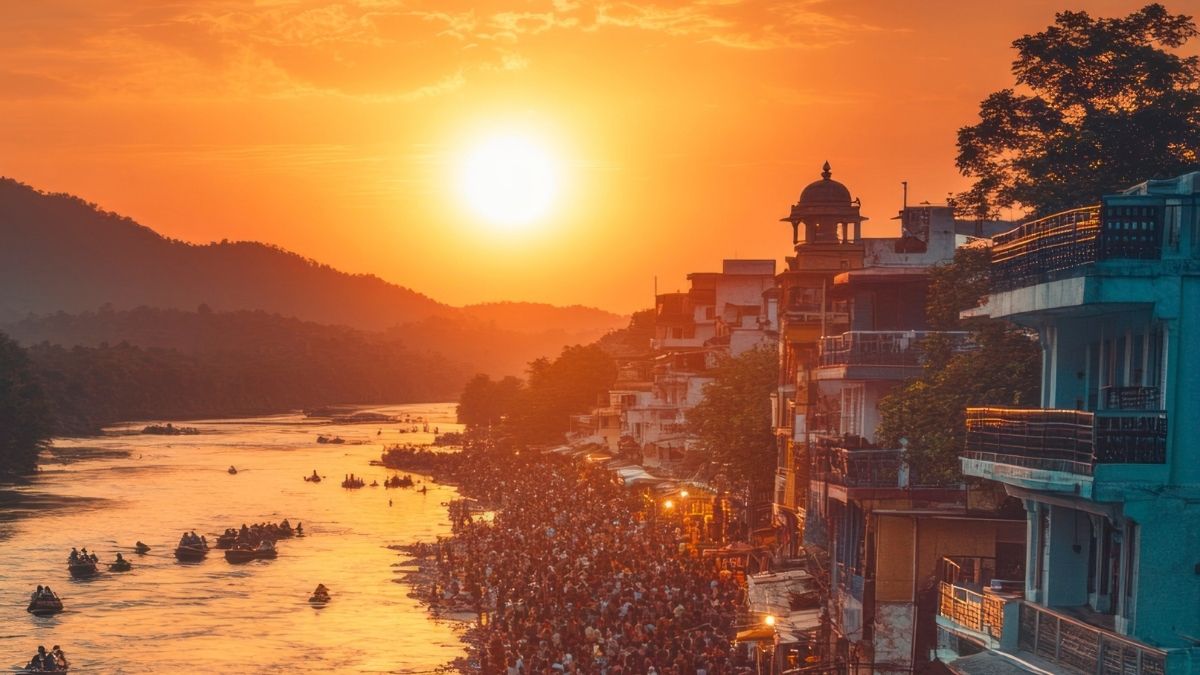

- Magh Mela 2026 returns to Prayagraj with its quiet mornings, sacred dips and the calm energy of Sangam. From key snan dates to simple travel tips, here’s a warm guide to help you plan your visit to India’s beloved winter pilgrimage.
- Magh Mela 2026 snan dates and their spiritual meaning
- How long does Magh Mela 2026 last?
- Where is Magh Mela held in Prayagraj?
- How to reach Prayagraj for Magh Mela 2026
- Facilities, safety and arrangements for Magh Mela 2026
- How to participate in Magh Mela rituals
- How to reach Prayagraj for the Magh Mela
- Why devotees believe the Sangam snan is sacred
Magh Mela 2026 returns to Prayagraj with its quiet mornings, sacred dips and the calm energy of Sangam. From key snan dates to simple travel tips, here’s a warm guide to help you plan your visit to India’s beloved winter pilgrimage.
Devotees and pilgrims are gearing up for one of India’s most spiritual gatherings as the 2026 edition of Magh Mela is set to begin on Saturday, January 3, 2026, at the sacred Triveni Sangam in Prayagraj. That’s where the Ganga and Yamuna rivers meet. It is a month-long event which is rich in ritual, devotion and holy baths.
According to the calendar and announcements, the mela will continue until February 15 2026. It will be concluded on the auspicious day of Maha Shivaratri. Key bathing (snan) dates include Pausha Purnima (3 Jan), Makar Sankranti (14 Jan), Mauni Amavasya (18 Jan), Vasant Panchami (23 Jan), Maghi Purnima (1 Feb) and finally Mahashivratri (15 Feb).
Magh Mela 2026 snan dates and their spiritual meaning
- Jan 3, 2026 (Pausha Purnima): The official opening of the mela’s bathing period. Kalpavāsi (ritual stay) begins for many devotees.
- Jan 14, 2026 (Makar Sankranti): Sun enters Capricorn, considered a major bathing day with royal significance.
- Jan 18, 2026 (Mauni Amavasya): The highlight of Magh Mela, where silence (maun) and the sacred dip converge, many consider it the most powerful date.
- Jan 23, 2026 (Vasant Panchami): Marks the onset of spring and a precious time for devotion and cleansing.
- February 1, 2026 (Maghī Purnima): A key full-moon bathing day.
- February 15, 2026 (Maha Shivratri): The grand finale, though primarily devoted to Lord Shiva, it completes the Mela’s cycle of dips and devotion.
How long does Magh Mela 2026 last?
The Mela runs for around 44 days between early January and mid-February, drawing millions of pilgrims and offering deep ritual, reflection and spiritual practice. It is suggested that you book transport and accommodation early.
Where is Magh Mela held in Prayagraj?
The event is held at the Triveni Sangam in Prayagraj, Uttar Pradesh, the confluence of the Ganga, the Yamuna and the mythic Sarasvati river. The sacred geography amplifies the pilgrimage’s spiritual impact
How to reach Prayagraj for Magh Mela 2026
Facilities, safety and arrangements for Magh Mela 2026
Preparations for 2026 are robust, drone mapping, pontoon-bridges and detailed crowd-management plans are being deployed. Devotees should check official updates on transport, hygiene, bathing ghats and tent accommodations.
How to participate in Magh Mela rituals
- Remember to be on time and get necessary permits or register according to guidelines, where required
- Arrive early on key snan days.
- Observe traditional dress codes, and the devotees must respect local norms.
- Stay up-to-date on weather, river-flow advisories, and health precautions
How to reach Prayagraj for the Magh Mela
1. By Rail
Prayagraj is well-served by the rail network. According to the district website, major stations include Prayagraj Junction (formerly Allahabad Jn), Prayagraj City (Rambagh), Prayag Station and Naini Station.
2. By Air
The city also has an airport, so flying can be an option for those coming from farther-away cities.
3. By Road
Road travel offers flexibility, useful if you want to stop en route or travel in a group. From cities like Delhi, the road distance to Prayagraj is around 600 km.
Why devotees believe the Sangam snan is sacred
Devotees believe that a holy dip in the Sangam during Magh is believed to wash off all the sins committed in the past. This congregation also helps in communal harmony, interactions of cultures, and preserves the ancient traditions in modern times.



