

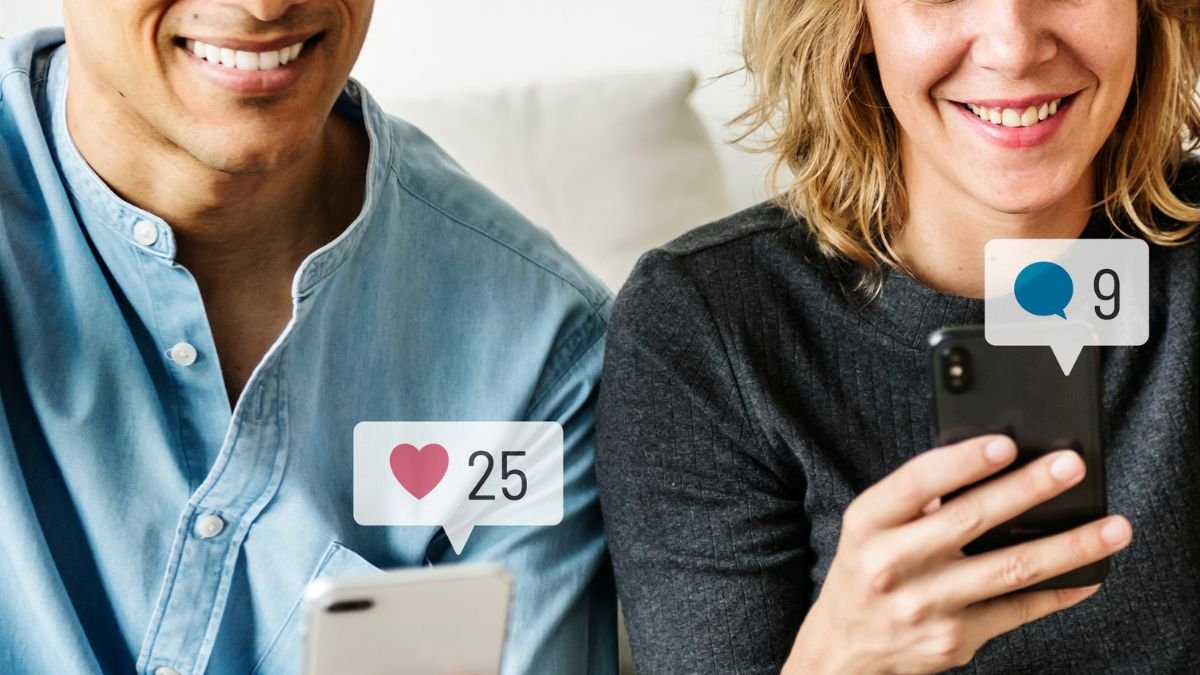

There is a strange little ritual that has become part of posting online. You share a photograph, thought or video and then, almost without thinking, check your phone again. Who liked it? How many people commented? Is the number going up? And if it is not, why not?
What looks like a harmless social media habit can gradually become something deeper. When likes, comments and shares start influencing how we feel about ourselves, online validation can quietly become tied to self-worth. Dr Chandni Tugnait, MD (A.M), Psychotherapist, Life Alchemist, Coach & Healer, Founder & Director, Gateway of Healing, explains why this happens and why it can become difficult to separate digital approval from how we see ourselves.
Why does getting likes feel so good?
Social media platforms are designed around feedback. A simple like, comment, or share can be experienced as a brief experience of approval, and repeated experiences of such feedback may make one associate being engaged with feeling good about oneself.
Based on Dr Tugnait’s contribution, each and every like, comment or share can be seen as positive feedback that leads to the release of a neurochemical called dopamine that is associated with reward-related activities. As a result, one’s brain starts associating external approval with feeling good about themselves.
That is where things can become complicated.
The issue is not that enjoying a compliment or feeling happy when people appreciate something you have shared is unhealthy. Wanting recognition is a very human instinct.
The problem begins when that recognition becomes necessary to feel good about yourself.
The number is never quite enough
One of the difficult things about chasing social media validation is that satisfaction can be temporary. A post performs well, and you feel great. Then the next post gets fewer likes. Suddenly, the previous number becomes the new benchmark. As Dr Tugnait’s inputs explain, the goalposts can keep moving. A successful post can raise expectations for the next one, while lower engagement may start feeling like a personal judgement rather than simply an outcome influenced by timing, reach or the platform itself.
This can create a cycle that is difficult to escape. Instead of asking whether you enjoyed creating something, you may begin asking whether other people approved of it.
When likes start influencing everyday choices
Once external approval becomes closely linked to self-worth, it can begin influencing decisions that have nothing to do with posting online. What you wear. Where you go. Which opinions you share. Even how comfortable you feel expressing an emotion. According to Dr Tugnait’s input, these choices can increasingly get filtered through one question: How will other people react to this? That can mean handing over a surprisingly large amount of personal decision-making to people on the internet, many of whom you may never meet.
Why comparison makes the cycle harder
Social media also makes comparison almost effortless. You can scroll through someone’s holiday, career milestone, relationship, outfit or fitness transformation within seconds. What you are seeing, however, is usually a carefully selected portion of another person’s life.
When your own sense of worth is already connected to online feedback, this constant stream of comparison can make the pressure to perform even stronger. The question can quietly shift from “Do I like this?” to “Will people like me if I post this?” That is a very different way of experiencing social media.
Is wanting validation a bad thing?
Not at all. The need for validation is a normal human need. We naturally want to feel accepted, appreciated and understood.
The concern arises when a social media platform becomes the main place where that need is being met. Dr Tugnait’s inputs point to this distinction as an important one: wanting validation is not something to feel ashamed of, but problems can arise when platforms built around monetising attention become our primary source of it. That difference matters. A compliment from someone you trust, appreciation for your work or feeling supported by people close to you is not the same as relying on an engagement number to decide whether you are doing well.
How to create some distance from the numbers
You do not have to delete every social media app or stop caring about engagement altogether.
A useful first step can simply be noticing what happens after you post.
Do you keep reopening the app? Does a low number immediately affect your mood? Do you regret posting something because it did not receive the response you expected? Are you changing your choices because you are anticipating other people’s reactions? Those questions can reveal whether social media is becoming more influential over your self-image than you realise. It can also help to return to the reason you posted something in the first place. If you enjoyed creating it, found it meaningful or wanted to share a genuine moment, its value does not disappear because the algorithm failed to deliver it to thousands of people.
Your worth cannot be measured by an engagement count
Likes are numbers. They can rise and fall depending on timing, reach, trends and countless factors that have little to do with your value as a person. The danger lies in allowing those numbers to become a mirror for your self-esteem.
Social media can be enjoyable, creative and genuinely connecting. But it becomes less healthy when every post starts feeling like a test, and every notification becomes a verdict.
The goal, ultimately, is not to stop enjoying appreciation. It is to make sure the internet is not the one deciding how much you appreciate yourself.
Also read:
Does your best friend need to reply instantly? Here’s why healthy friendships need space



