

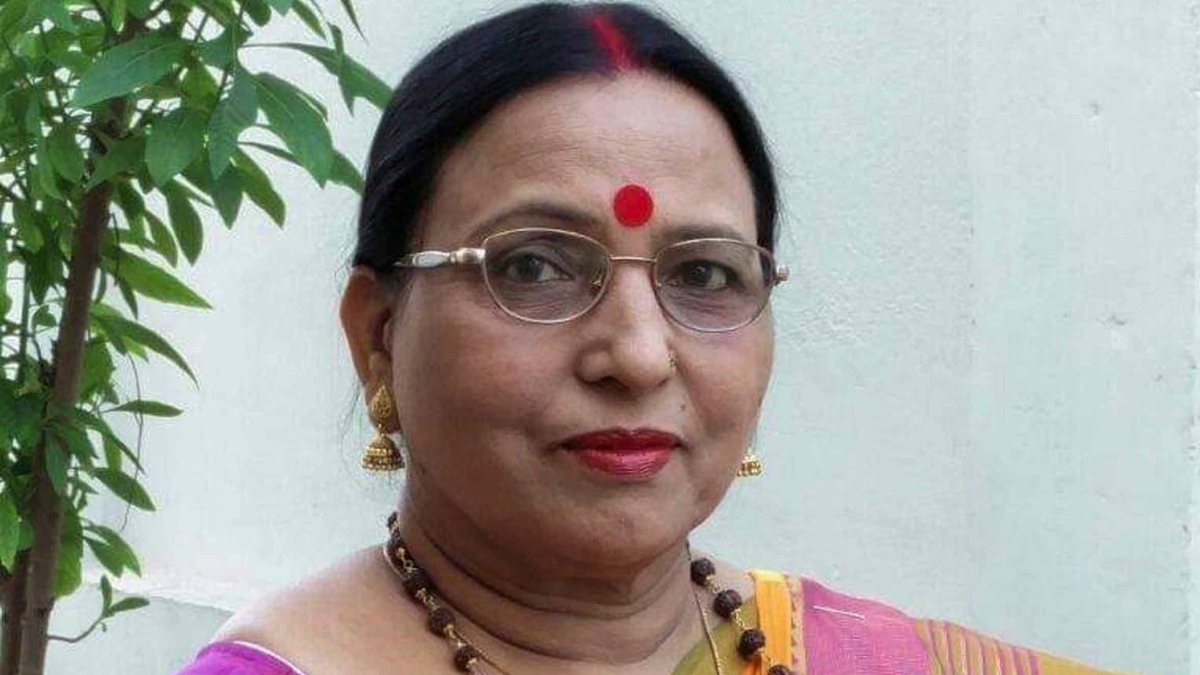

Sharda Sinha, known for her Bhojpuri and Maithili songs, continues to live on in music years after her death. Recently, a college student performed one of Sinha’s hit songs, Paniya Ke Jahaj, which spread like wildfire on the internet. It shows the rich legacy that she has left behind for the generations to come. However, not many know, but her journey to becoming one of India’s most recognised folk voices was not without its share of struggles.
In an old interview, Sinha opened up about the resistance she faced at her in-laws’ home after getting married at around 20. Her love for music remained strong, but pursuing it professionally was not easy.
Sharda Sinha’s mother-in-law threatened to stop eating if she sang
“I felt restless to sing,” she once recalled during a throwback interview with Akashvani Lucknow in Hindi. Her mother-in-law initially had no objection to her singing bhajans, but performing songs publicly was a different matter. “Bhajan is fine, but singing songs is not right. Singing here and there is not appropriate,” Sinha recalled her saying.
The opposition became so strong that her mother-in-law even threatened to stop eating if Sinha continued singing. “If she sings, I will stop eating,” she had said, according to Sinha.
But Sinha did not give up. Her husband gradually managed to convince his mother, while her father-in-law’s interest in kirtans also gave her some room to continue pursuing music. Her husband, who worked in the education service, was himself fond of music and became one of her biggest supporters.
When things started opening up for Sharda Sinha at her in-laws’
As Sinha’s songs began reaching audiences, things slowly started changing at home too. Her music was played on loudspeakers, allowing people from far away to hear her voice. She remembered standing nearby just to listen to her own songs because she did not have a record player at the time.
“When I received the money, the first thing I did was buy a record player so I could listen to my own songs,” she recalled.
Her growing popularity eventually changed her mother-in-law’s perspective. Sinha believed that hearing appreciation from people outside the family made a difference. “You don’t understand something when people at home say it. But when outsiders say it, you think, ‘Oh, maybe it really is true.'”
Her journey eventually took her from the traditional songs she learnt in the courtyard to becoming one of the most recognisable voices of Bihar’s folk music. She became particularly synonymous with Vivah Geet and Chhath songs, earning the affectionate title of Bihar Kokila.
And perhaps that makes her old words even more poignant today. The woman whose voice became inseparable from Bihar’s musical identity once had to fight simply to be allowed to sing.
Also read:



