

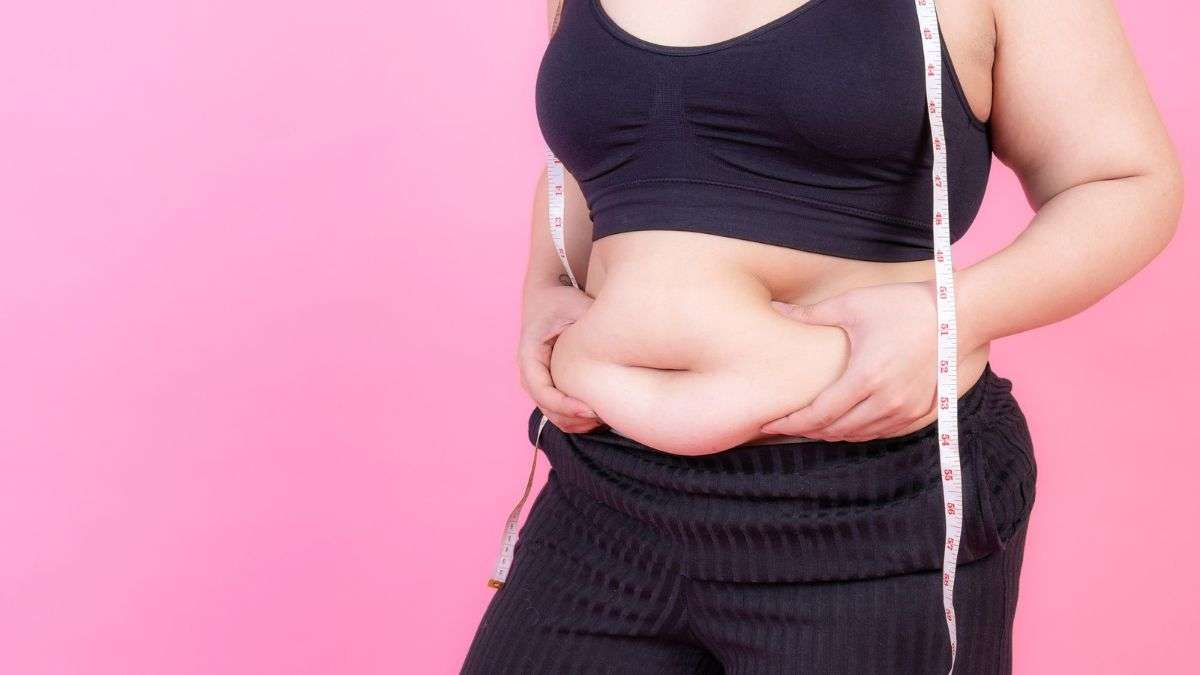

Many women eat well, exercise regularly and still struggle to lose fat around their midsection. While it is often blamed on a lack of discipline or consistency, experts say the reality is far more complex. Hormonal changes, pregnancy, chronic stress and life stage can all influence where the body stores fat.
According to Dr Neha Shah, weight loss specialist and co-founder, The Good Weight, focusing only on calories often overlooks the underlying reasons why belly fat persists. She says understanding what is driving the change is the first step towards finding an approach that actually works.
How hormones change belly fat in women
Dr Shah says fat distribution naturally changes throughout a woman’s life. During the reproductive years, higher oestrogen levels encourage the body to store fat around the hips and thighs to support fertility. As women move into their 40s and oestrogen levels begin to decline, that pattern gradually shifts.
“The abdomen becomes the new destination for fat storage,” she explains, adding that many women notice their waistline expanding even when the number on the weighing scale stays the same. “This is fat redistribution driven by hormonal changes, not something that a stricter diet alone can fix.”
She stresses that belly fat in women is often linked to hormones, body structure and stress, and in many cases, all three are at play simultaneously.
Why the postpartum belly can linger
Another common concern, Dr Shah says, is the so-called “mummy tummy” that remains long after pregnancy weight has been lost.
In many women, this is caused by diastasis recti, a condition where the abdominal muscles separate during pregnancy to make room for the growing uterus. Although the muscles are expected to come back together after childbirth, that does not always happen completely.
“What remains is a structural weakness rather than a fat deposit,” Dr Shah says. “The shape comes from the gap in the muscle, not from what is being eaten.”
She warns against rushing into sit-ups and crunches, explaining that these exercises can worsen the condition if the muscle gap has not healed.
“The first step should always be a proper assessment by a doctor or a women’s health physiotherapist,” she says. “Diastasis rehabilitation is gradual, but it addresses the real problem in a way generic abdominal workouts cannot.”
How stress affects belly fat
Stress is another major factor that is often overlooked.
According to Dr Shah, cortisol, the body’s stress hormone, “directly instructs the body to store fat around the abdomen.” This means a woman can be eating carefully and exercising consistently yet still struggle with persistent belly fat if stress levels remain chronically high.
She points out that everyday pressures such as work, childcare, caring for ageing parents and managing a household all contribute to long-term stress, particularly for women in India.
“The body registers this invisible mental load,” she says, adding that research consistently shows women who are more stress-reactive tend to accumulate more visceral fat than women with similar body weight but lower stress levels. She also notes that cortisol and abdominal fat reinforce each other, meaning exercise alone may not be enough to break the cycle.
What actually helps reduce belly fat
Dr Shah says resistance training should be a priority, especially for women approaching or going through perimenopause.
“There is a meaningful difference between exercise that supports general health and exercise that changes body composition,” she explains. While walking and yoga offer important health benefits, she says progressive strength training is more effective at preserving muscle and improving metabolism.
Protein intake is another area where many women fall short.
Dr Shah recommends consuming around 1.2 to 1.5 grams of protein per kilogram of ideal body weight each day, explaining that adequate protein helps preserve muscle during weight loss, improves satiety and supports stable blood sugar levels, all of which can influence fat storage around the abdomen.
She also highlights the importance of sleep, calling seven to eight hours a night “a physiological requirement” rather than a wellness goal. According to her, consistently getting less sleep raises cortisol, disrupts appetite-regulating hormones and encourages fat storage around the midsection.
For postpartum women, she recommends getting assessed for diastasis recti before starting abdominal exercises, while women in perimenopause and menopause should discuss hormone health with their doctor.
“The scientific evidence on hormone replacement therapy is real,” Dr Shah says. She explains that it may help reduce abdominal fat accumulation, improve insulin sensitivity and preserve lean muscle during menopause, although she adds that treatment decisions should always be made on a case-by-case basis.
Why there is no one-size-fits-all approach
Persistent belly fat is rarely caused by a single factor, Dr Shah says. Instead, it is often the result of hormonal changes, the lasting effects of pregnancy, years of unresolved stress or the natural changes that come with ageing.
She believes generic advice often falls short because it ignores these differences. “Belly fat at 32 after pregnancy is a different clinical picture from belly fat at 47 during perimenopause. The biology is different, so the intervention has to be different too.”
Dr Shah says the key is understanding what is actually driving the problem. Once that is identified, the right treatment plan becomes much clearer.
Disclaimer: Tips and suggestions mentioned in the article are for general information purposes only and should not be construed as professional medical advice.
ALSO READ: Why belly fat increases after 30 and what Indians need to understand



