

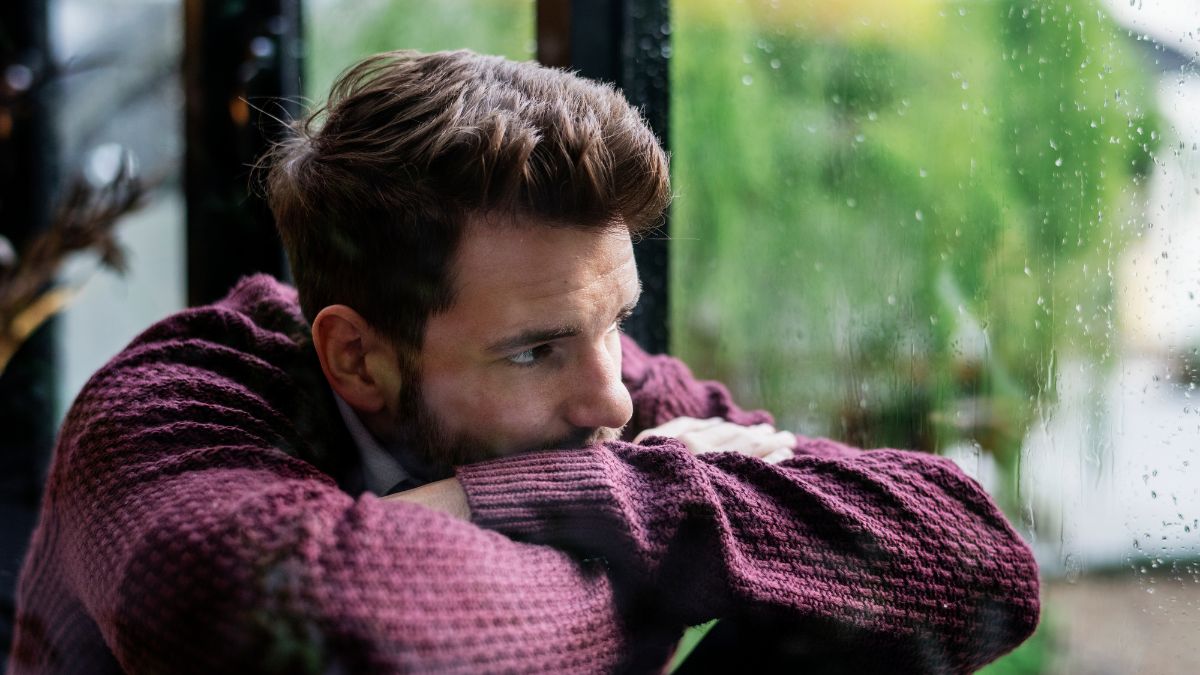

There’s a version of masculinity many men grow up with, quiet, composed, unshakeable. The kind that doesn’t cry, doesn’t complain, and certainly doesn’t fall apart. Most men have heard this their whole life, ‘Boys don’t carry,’ but not many understand the weight of these words.
But as Mr S Giriprasad, Psychologist, Aster Whitefield Hospital, explains, “people need to show their emotions for better health and their emotional bodies.” As conversations around mental health evolve, one idea is becoming harder to ignore: strength does not always look like silence. Sometimes, it looks like honesty.
Breaking the myth of emotional suppression
For decades, men have been conditioned to regard emotional expression as a sign of weakness and to identify emotional control with physical strength. Slogans such as “Man up!” or “Boys don’t cry” have contributed to the processing of one’s feelings by bottling them up.
However, psychology suggests another viewpoint. Emotional expression is a natural need of every person, and it is important for mental health. Bottled emotions do not simply cease to exist; they remain within the individual and emerge somewhere else.
Psychological consequences of bottling up emotions
Irritability, anger, sleep disturbances, fatigue, and even physical symptoms like headaches are often signs of unprocessed emotions. Over time, this suppression can develop into chronic stress, anxiety disorders, or depression. The challenge is that many men fail to recognise these as emotional distress because they’ve learned to disconnect from their feelings.
Why emotional release matters
Letting emotions out, whether through conversation, reflection, or even tears, is not losing control. It is a regulation.
An example is crying, which is a biological reaction that aids in the release of stress hormones and helps in bringing emotional balance. In most cases, emotional release is not a collapse but rather a reset.
Pressure on men and stereotypes
Society has stereotyped men into the following:
- Being a provider
- Being a protector
- Problem-solving
While all these are commendable traits, they also place great pressure on men to always be in control. This results in men not seeking help even when they need it, but only do so once they have reached rock bottom.
This effect is felt not only by the man himself but also by his family, work, and ultimately his quality of life.
The importance of safe spaces and dialogue
Change starts with space, a safe place where men can speak without judgment. This could be close friendships, supportive family environments, or professional counselling. Conversations around mental health need to become normal, not exceptional.
Encouraging men to talk does not take away from their strength. It redefines it. True resilience lies in recognising when support is needed and being willing to seek it.
Balancing strength and vulnerability
Strength and vulnerability are not opposites. They coexist. Being emotionally available increases self-awareness, helps make better decisions, and builds stronger relationships. It enables a person to be aware of his/her limitations and heal faster from stressful experiences.
In actuality, recognising one’s emotions does not signify a lack of control; it means having control.
The conversation around men’s mental health is evolving, but slowly. A healthier version of masculinity includes emotional awareness, openness, and self-care. It recognises that strength is not about enduring everything silently, but about knowing when to pause, reflect, and reach out.
Also read: Why talking about your feelings is essential for mental health



